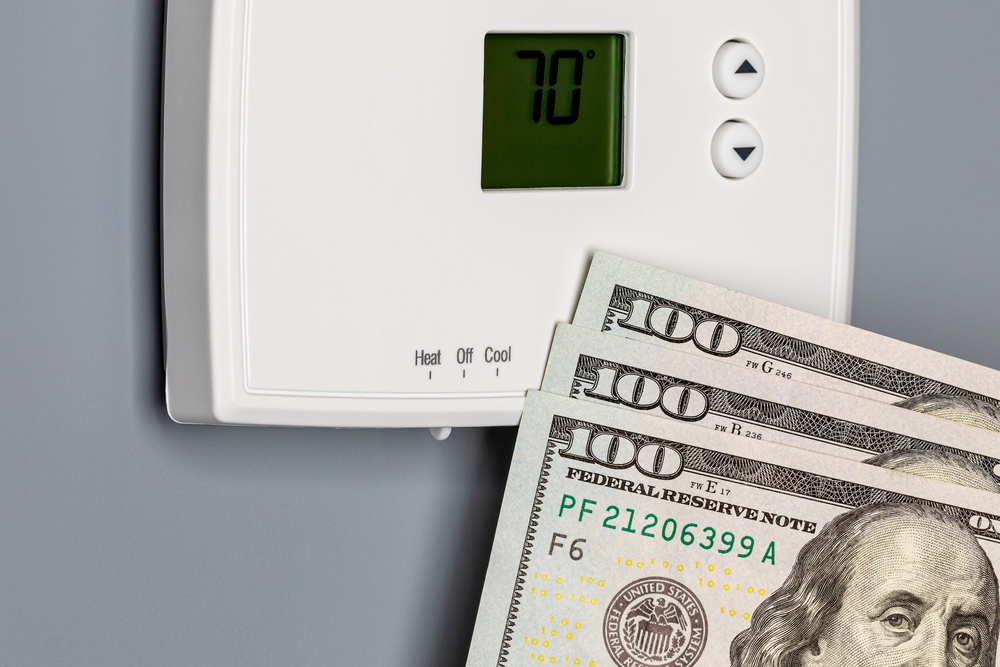


Quick Answer: Recommended Thermostat Settings For Arizona Homes
Need a recommendation for your thermostat settings? Here is a simple breakdown to help you maximize your home’s comfort and efficiency. Summer Settings (May–September)| Situation | Recommended Temperature |
|---|---|
| Home & Awake | 78°F |
| Sleeping | 80–82°F |
| Away (Daytime) | 84–85°F |
| Vacation | 85–90°F |
| Situation | Recommended Temperature |
|---|---|
| Home & Awake | 68°F |
| Sleeping | 60–62°F |
| Away | 60°F |
| Vacation | 55°F |
Why 78°F Is the Ideal Summer Setting In Arizona
78°F is widely considered the best balance between comfort and efficiency in hot climates. At this setting:- Your AC runs in stable, efficient cycles
- Energy consumption drops significantly compared to 72–74°F
- Indoor humidity stays controlled
- Your compressor avoids excessive wear
Adjusting For The Arizona Monsoon Season
In June, Arizona experiences dry heat, so 78°F feels comfortable because sweat evaporates quickly. However, when the July and August monsoons arrive, the relative humidity spikes. Air conditioners act as natural dehumidifiers. When the humidity rises, the air feels warmer and stickier. During monsoon season, you may need to drop your thermostat by 1 or 2 degrees (to 76°F or 77°F) to force the AC to run slightly longer cycles, which effectively pulls more moisture out of the indoor air. According to the American Society of Heating, Refrigerating and Air-Conditioning Engineers (ASHRAE), keeping indoor humidity below 60% is vital for both comfort and preventing mold growth.Using Time-of-Use (TOU) Plans To Lower Arizona Energy Bills
Many homeowners in the Phoenix metro area are on time-of-use plans with utilities like: Electricity costs more during peak hours (typically late afternoon to early evening).When Should You Use The Supercooling Strategy?
If your home is well insulated and your system is properly sized, you can try this setting:- Morning (Off-Peak): 72–74°F
- Peak Hours: 82–84°F
Thermostat Placement: The Silent Efficiency Killer
Even the most accurate thermostat settings are useless if the device is installed in the wrong location. A thermostat only measures the temperature of the air immediately surrounding it. If your home always feels too hot or too cold, regardless of the setting, check your thermostat’s location. It should never be placed:- In direct sunlight: UV rays hitting the casing will artificially inflate the reading, causing the AC to run non-stop.
- Near the kitchen: The heat from ovens and stovetops will trick the sensor.
- Near air vents or drafty doors: Cold air blowing directly on the unit will cause it to shut off prematurely, leaving the rest of the house warm.
Navigating Multi-Story Homes & Zoning
Because heat naturally rises, two-story homes in Arizona face a unique cooling challenge. The upstairs is almost always hotter than the downstairs. If you have two separate AC units (and therefore two thermostats), the general rule is to set the upstairs thermostat about 2 degrees lower than the downstairs thermostat during the summer. This helps balance the home’s thermal load. If you only have one AC unit controlling a two-story home, you might constantly battle uneven temperatures. In this case, upgrading to a zoned HVAC system—which uses automated dampers in your ductwork and multiple thermostats to control specific rooms independently—is the most effective way to eliminate hot spots without wasting energy.Heat Pumps: Avoid Large Temperature Swings
Arizona is primarily a heat pump market. If you drastically lower winter temperatures while away (more than 6–8 degrees), your system may activate auxiliary heat strips when recovering. These use significantly more electricity. Instead:- Make moderate adjustments
- Use programmable recovery settings
- Avoid large, sudden increases
Vacation Settings: Leaving The Desert Behind
When Arizonans escape the extreme summer heat for a week-long vacation, a common mistake is turning the AC completely off. While you shouldn’t cool an empty house, shutting the system down entirely can cause indoor temperatures to soar past 100°F. Extreme indoor heat can warp hardwood floors, damage drywall, ruin electronics, and cause your refrigerator to overwork and fail. The Ideal Vacation Settings:- Summer: 85–90°F
- Winter: 55°F
The Ultimate Upgrade: Smart Thermostats
Human error is the number one cause of high energy bills. Upgrading to a modern, Wi-Fi-enabled smart thermostat (like a Nest or Ecobee) removes the guesswork entirely. ENERGY STAR estimates certified smart thermostats save around 8% annually on heating and cooling costs. In Arizona’s extended cooling season, savings can be higher. Over time, these systems often pay for themselves.When Thermostat Settings Don’t Solve The Problem
If your home never feels comfortable —even at recommended settings— the issue may be:- Poor insulation
- Duct leakage
- Incorrect system sizing
- Aging equipment
- Faulty thermostat calibration
Why Arizona Homeowners Trust PlumbSmart Heating & Air
When your AC is struggling to keep up with the thermostat, you don’t want a high-pressure salesman in your living room; you want an expert who understands the science of Arizona comfort. At PlumbSmart Plumbing Heating and Air, we do things differently from the big-box corporate franchises in Mesa and Phoenix. We offer:- Zero Hidden Fees
- Elite expertise
- Long-term efficiency recommendations
- Lifetime warranties
Don’t Just Take Our Word For It:
“PlumbSmart has helped me with multiple HVAC and plumbing issues over the years and they are my number one go to for equipment upgrades and repairs” – Josiah Copley
“Both departments plumbing and HVAC, are solid, honest and hard working. I’ve never had a bad experience when dealing with them!” – Matt D.
Final Thoughts: Comfort & Efficiency Can Coexist
Finding the ideal thermostat setting in Arizona is all about creating the proper balance. For most homes:- 78°F in summer
- 68°F in winter
Stop Throwing Money Out The Window
If your home never feels quite comfortable, or you’re ready to upgrade to a high-efficiency smart thermostat, it’s time to bring in the Plumbing, Heating & Air Conditioning Experts.Frequently Asked Questions
What is the recommended summer thermostat setting for homes in Arizona? T
he U.S. Department of Energy recommends setting your thermostat to 78°F when you are home and awake during the summer. This temperature provides the best balance between indoor comfort, efficient AC cycles, and lower energy bills in extreme desert climates.
Should I turn my AC off entirely when going on vacation during the summer?
No, you should never turn your AC completely off during an Arizona summer. Doing so can allow indoor temperatures to exceed 100°F, which can warp flooring, damage drywall, and cause your refrigerator to fail. Instead, set your thermostat between 85°F and 90°F while you are away.
How does the Arizona monsoon season affect my thermostat settings?
During the dry heat of early summer, sweat evaporates quickly. However, when monsoon humidity spikes in July and August, the air feels warmer and stickier. You may need to lower your thermostat by 1 or 2 degrees (to 76°F or 77°F) to force your AC to run longer cycles and act as a dehumidifier.
Where is the best place to install a thermostat in my house?
A thermostat should be installed on an interior wall in a well-trafficked hallway. It should be kept entirely out of direct sunlight and away from heat sources like the kitchen or drafty areas like air vents and exterior doors, which can cause false temperature readings.