
The Core Problem: How Your House “Breathes”
Before we look at the specific culprits, it helps to understand one basic rule of home comfort: Air in must equal air out. Your HVAC system is essentially a giant breathing machine. It pushes conditioned air into your rooms through the supply vents, and it sucks old air out through the return vents to be filtered and cooled again. If that cycle gets interrupted anywhere, you get hot and cold spots. Here are the most common reasons that cycles break down.1. The “Closed Door” Mystery
Does your bedroom get stuffy the second you shut the door for the night? Here’s why. Most homes only have one or two large return vents, usually located in a main hallway. When you close your bedroom door, you cut off the pathway back to that return vent. The AC keeps pumping cold air into the room, but the old air has nowhere to go. The room actually becomes pressurized—like blowing too much air into a balloon. Because the room is full of high-pressure air, the weak cold air coming from the AC vent can no longer push its way inside. The airflow essentially stops, and the room gets hot.- The Fix: Try keeping doors cracked open, or look into having “jump ducts“ or transfer grilles installed above the doors to let air escape even when the door is closed.
2. The Distance Factor & Duct Friction
Think of your air ducts like a plumbing system for air. The rooms closest to the indoor AC unit are going to get a massive blast of air. But by the time that air travels through 40 feet of winding, twisting ductwork to reach the master bedroom at the back of the house, it has lost a lot of its speed and pressure. This is called “friction loss.” If your ductwork wasn’t meticulously designed to account for this distance, those far rooms will always be starved for air.3. Leaky, Unsealed Ductwork
According to energy experts, the average home loses 20% to 30% of its conditioned air to leaks in the ductwork. If there’s a crack, a gap, or a disconnected joint up in your attic, you’re literally pumping your hard-earned cold air into the rafters. Not only does this skyrocket your energy bill, but it also leaves the rooms at the end of the duct line with barely any airflow.4. The Humidity Trap
Sometimes a room isn’t actually hotter; it’s just more humid. If your AC system is turning on and off too quickly (we’ll talk about why that happens below), it might drop the temperature of the room but fail to run long enough to pull the moisture out of the air. A 75-degree room with high humidity feels suffocating and sticky compared to a dry 75-degree room.5. Thin Insulation & “Thermal Bridging”
If your walls or attic don’t have enough insulation, thermal bridging and the outside weather are just going to muscle their way in. In the summer, a 140-degree attic pushes intense heat right down through your ceiling. Rooms directly under the roof, or rooms built over uninsulated spaces like a garage, take the hardest hit because they don’t have the protective barrier of a solid foundation or a shaded second story.How To Do a Mini Home Audit Yourself
Before you spend a dime, do a little detective work around the house. You can usually narrow down the problem on a weekend.- Check Your Vents: Walk through the house and make sure every single supply and return vent is wide open and totally unblocked by furniture, rugs, or curtains.
- The Incense Test: On a windy day, light a stick of incense and hold it near the edges of your windows and doors in the uncomfortable rooms. If the smoke pulls or pushes aggressively, you have air drafts that are sabotaging your AC. Weatherstripping and caulk are cheap, highly effective fixes.
- The Ruler Test in the Attic: Pop your head into the attic with a ruler. If your insulation is sitting at or below the top of the wooden floor joists (usually about 6 inches), you don’t have enough. Adding blown-in insulation is one of the fastest ways to fix a boiling second floor.
DIY Fixes (And One Major Myth To Avoid)
- Change the Air Filter: A clogged filter forces your system to suck air through a thick wall of dust. It’s the cheapest, easiest fix out there. A fresh filter instantly restores airflow to the whole house, which often completely solves weak airflow in distant rooms.
- Use Your Curtains: If the afternoon sun is roasting your living room, close the blinds or pull the heavy curtains during the hottest part of the day. West-facing windows act like magnifying glasses, and simply blocking that solar heat makes a massive difference.
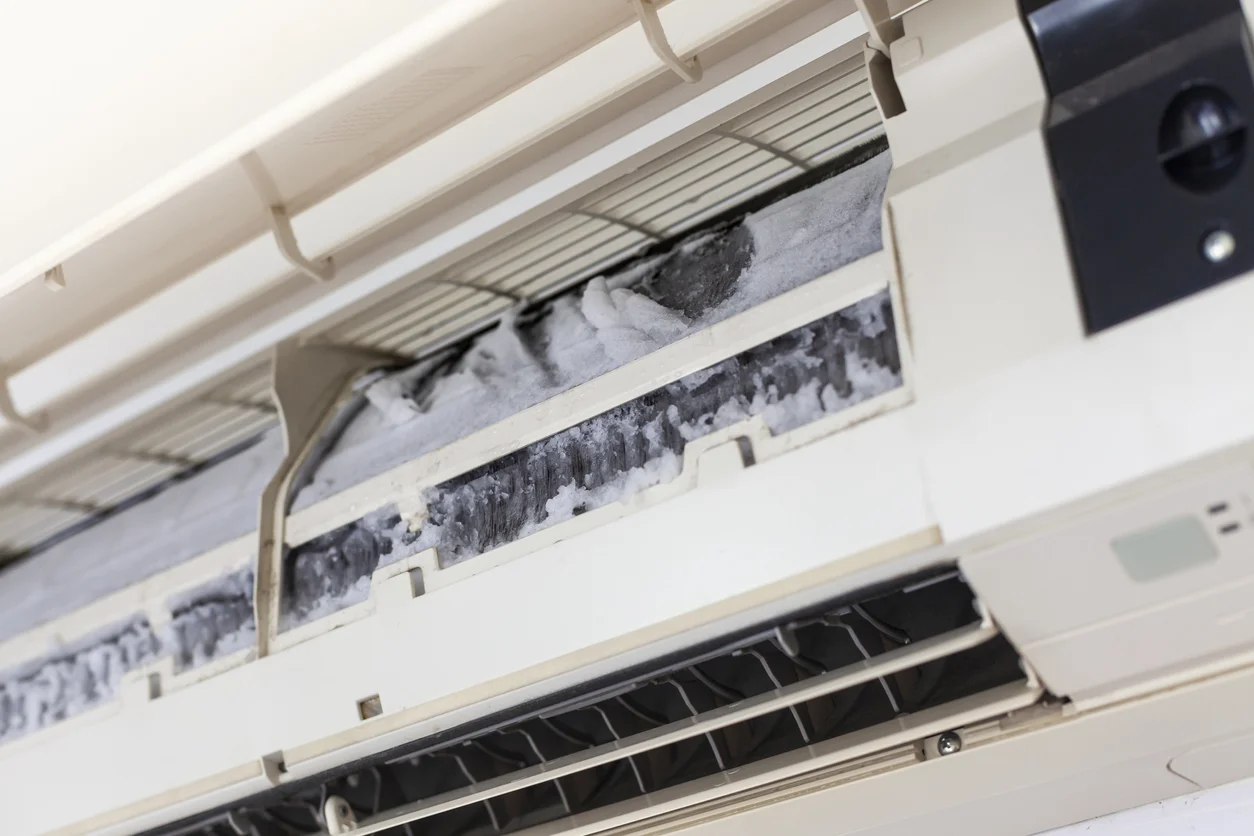
- The “Closing Vents” Myth: A lot of people try to fix uneven temperatures by closing the vents in the cold rooms, hoping it will force more air into the hot rooms. Please don’t do this. It sounds like a smart hack, but it actually chokes your system. It builds up static pressure, kills your efficiency, causes your indoor coils to freeze, and can even blow out the blower motor over time. Leave your vents open.
- Try a Smart Thermostat with Sensors: If your thermostat is chilling in a dark, cool hallway, it thinks the house is comfortable and shuts off the AC while your bedroom is still baking. Upgrading to a smart thermostat with wireless room sensors lets you place small monitors in your “hot spots.” You can then program the AC to keep running until those specific rooms reach the temperature you actually want.
When It’s Time To Call The Pros
If you’ve checked your filters, sealed your windows, and you’re still sweating, the problem is likely baked into the system’s design. That’s when you need an expert.Duct Repair & Sealing
A pro can go into the attic, find exactly where your air is escaping, repair crushed lines, and seal everything up tight so the air actually reaches your bedroom.HVAC Zoning Systems
This is the ultimate fix for two-story houses. A zoning system splits your ductwork into different areas using motorized dampers, each controlled by its own thermostat. Instead of cooling the whole house at once, it directs air specifically to the rooms that are calling for it.Fixing An Oversized AC
Believe it or not, an AC that’s too big for your house is a bad thing. It blasts the central hallway with freezing air, satisfies the thermostat in five minutes, and shuts down before the cool air ever reaches the back bedrooms (a process called short cycling). A professional can evaluate your home to see if your equipment is properly sized.Upgrading To Variable-Speed Systems
Older ACs blast air at 100% capacity and then shut completely off, creating wide temperature swings. Newer variable-speed systems run constantly at very low speeds, continuously mixing the air in your home to keep the temperature perfectly even.The Bottom Line
You don’t have to just live with a house that has multiple microclimates. Whether it’s an airflow bottleneck, missing insulation, or leaky ductwork, there is always a clear reason why that one room won’t cool down. Start with the basics—check your filters, clear your vents, and keep your bedroom doors cracked. If that doesn’t do the trick, having a professional evaluate your airflow and ductwork can finally put an end to the thermostat wars.What Our Customers Are Saying
Don’t just take our word for it. Here is how we’ve helped homeowners across the Valley finally achieve whole-home comfort: “I wish I’d known about PlumbSmart years ago. Excellent service and reasonable pricing…also they have Free Estimates!” — Judy Anderson. “The technician showed up on time, was very friendly, explained what needed to be done, warned me about the fee for credit cards, and importantly, got the job done effectively.” — Jesse BerlinWhy East Valley Homeowners Trust PlumbSmart
When your home comfort is on the line, you need a contractor who understands the extreme demands of our local climate. At PlumbSmart, we aren’t just order-takers; we are home comfort experts.Ready to stop fighting your thermostat? PlumbSmart’s HVAC technicians serve Mesa, Phoenix, and the East Valley with same-day appointments. Call (480) 992-2225 or use the form below to schedule your comfort inspection, no pressure, no obligation.
Frequently Asked Questions
Why does my bedroom get so hot and stuffy when I close the door?
Most homes rely on one or two main return vents in a central hallway. When you close your bedroom door, the old air in the room has nowhere to escape. This pressurizes the room, which prevents the weak stream of new, cold air from pushing its way inside, effectively stopping airflow.
Should I close the AC vents in cooler rooms to force air into the hot ones?
No, this is a common myth that can actually damage your HVAC system. Closing vents builds up static pressure, destroys system efficiency, can cause your indoor coils to freeze, and may eventually blow out your blower motor. It is always best to leave all vents open.
Why are the rooms furthest from my AC unit always the warmest?
Air traveling through long stretches of winding ductwork naturally loses speed and pressure—a process known as friction loss. Furthermore, if your ductwork has leaks or disconnected joints, you could be losing up to 30% of your conditioned air into your attic before it ever reaches those distant rooms.
How can I quickly check if poor insulation is causing my hot rooms?
You can do a quick “ruler test” in your attic. Stick a standard ruler into the insulation; if the material sits at or below the top of the wooden floor joists (usually about 6 inches), your home is under-insulated. Adding blown-in insulation is one of the fastest ways to cool down a hot upper floor.